As global systems confront complex transitions, from accelerated climate action to redesigning extractive-sector governance and redefining democratic resilience, 2025 opened new frontiers for accountability institutions. PLSI entered the year with a strategic resolve: to contribute significantly to expanding Nigeria’s voice in these global conversations and ensure oversight institutions are central to emerging policy frameworks.
For nearly a decade, PLSI has championed public accountability across six interconnected domains: Value for Money (Revenue & Expenditure); Research, Policy & Advocacy; Citizens Participation, Engagement & Involvement; Climate Change Adaptation & Energy Accountability; Institutional Support & Capacity Strengthening; and Gender Equality Accountability.

This work, rooted in evidence, civic innovation and community-level engagement, has laid the foundation for an expanded global voice.
In 2025, our engagements, among others, across four major international convenings – in Brazil, Switzerland, Spain, and Norway – sharpened our insights, widened our collaborations, and strengthened our conviction that accountability remains the most powerful lever for sustainable development and inclusive governance.
Below is a chronicle of these engagements and how they shape our next phase of impact.
1. PLSI at COP30 – Belém, Brazil (10–21 November 2025)
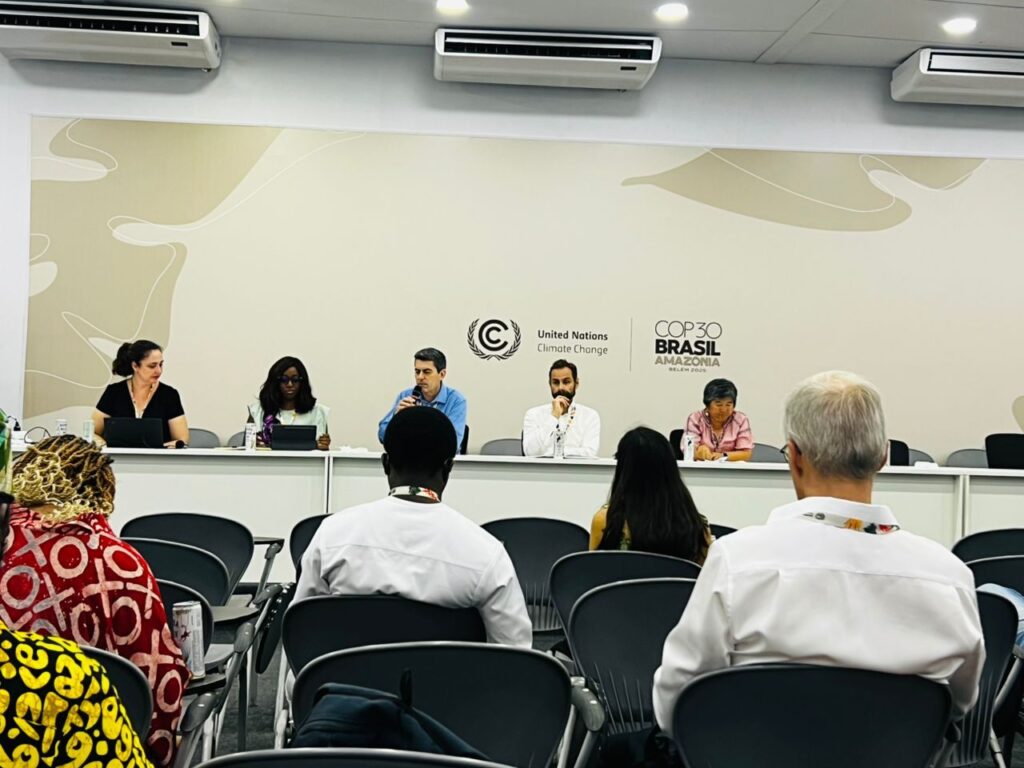
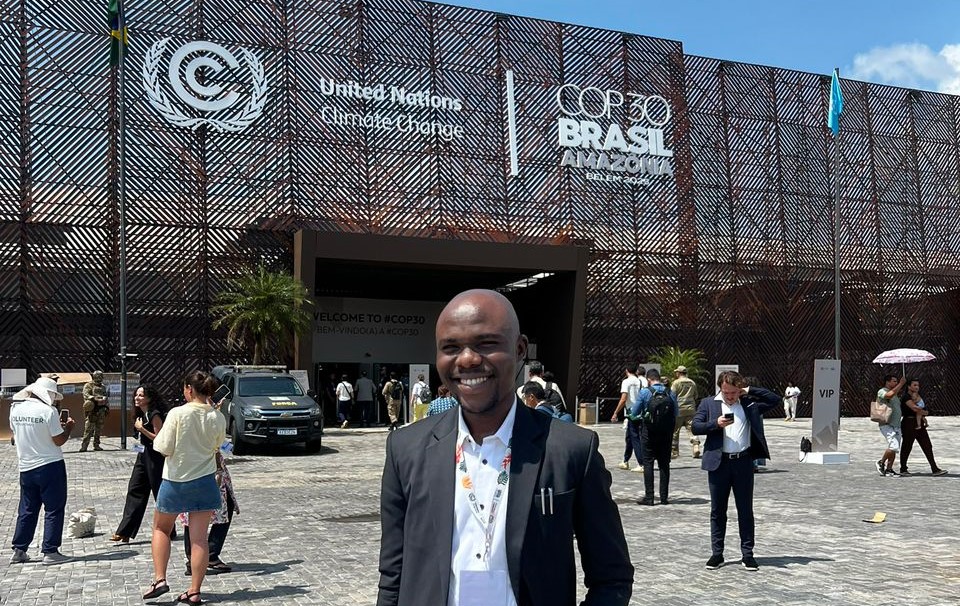
In Belém, Brazil, PLSI joined global climate actors for COP30, engaging world leaders, policymakers, civil society, and technical experts on climate adaptation, energy transitions, and environmental accountability.
Our participation aligns with a mission we have pursued consistently: ensuring that climate finance, adaptation commitments, and environmental policies translate into transparent, inclusive, and equitable development for communities across Nigeria.
Over the years, PLSI has advanced the climate-governance space through research and civic-tech innovation, including:
- Our report: Climate Adaptation & Energy Accountability, urging Supreme Audit Institutions (SAIs) to strengthen fiscal oversight of climate policies – https://plsinitiative.org/documents/climate-adaptation-and-energy-accountability-role-of-supreme-audit-institutions/
- State-level evidence: findings on climate and environmental projects in Ekiti State’s 2021 Budget, highlighting gaps in accountability – https://plsinitiative.org/documents/independent-findings-on-climate-change-and-environmental-projects-in-ekiti-state-2021-budget/
- Our flagship innovation, the Emissions Monitoring & Accountability Tool (EMAT) under PolicyTracker – https://www.policytracker.ng/emat
At COP30, we contributed to high-level sessions, side events, bilateral discussions and joined the Extractive Industries Transparency Initiative (EITI) event on strengthening transparency in mineral supply chains. Represented by our Executive Director, Olusegun Elemo, PLSI emphasized the need for fairness, accountability, and community-centered benefits in resource-dependent economies.
We also engaged Nigeria’s energy-transition discussions, including:
- Energy Efficient Cooling in Nigeria
- NDC 3.0 Commitments
- High-Level Ministerial Dialogue on Just Transition, emphasizing inclusion of vulnerable communities, women, and youth.
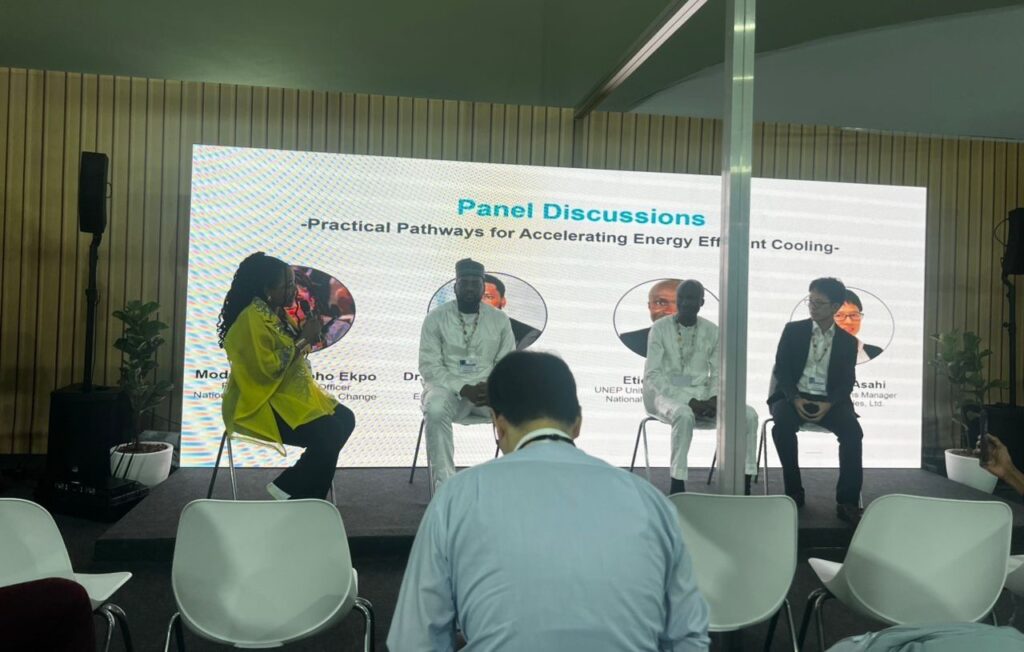
These engagements deepened PLSI’s work in Climate Change Adaptation & Energy Accountability, providing global insights that will strengthen our advocacy for transparent, people-centered climate action at home.
2. PLSI at the 21st IGF Annual General Meeting – Geneva, Switzerland (3–5 November 2025)
At the 21st IGF Mining AGM hosted by UNCTAD in Geneva, global stakeholders examined the theme: “Value Beyond Extraction – Rethinking Mining for a Resilient Future.”
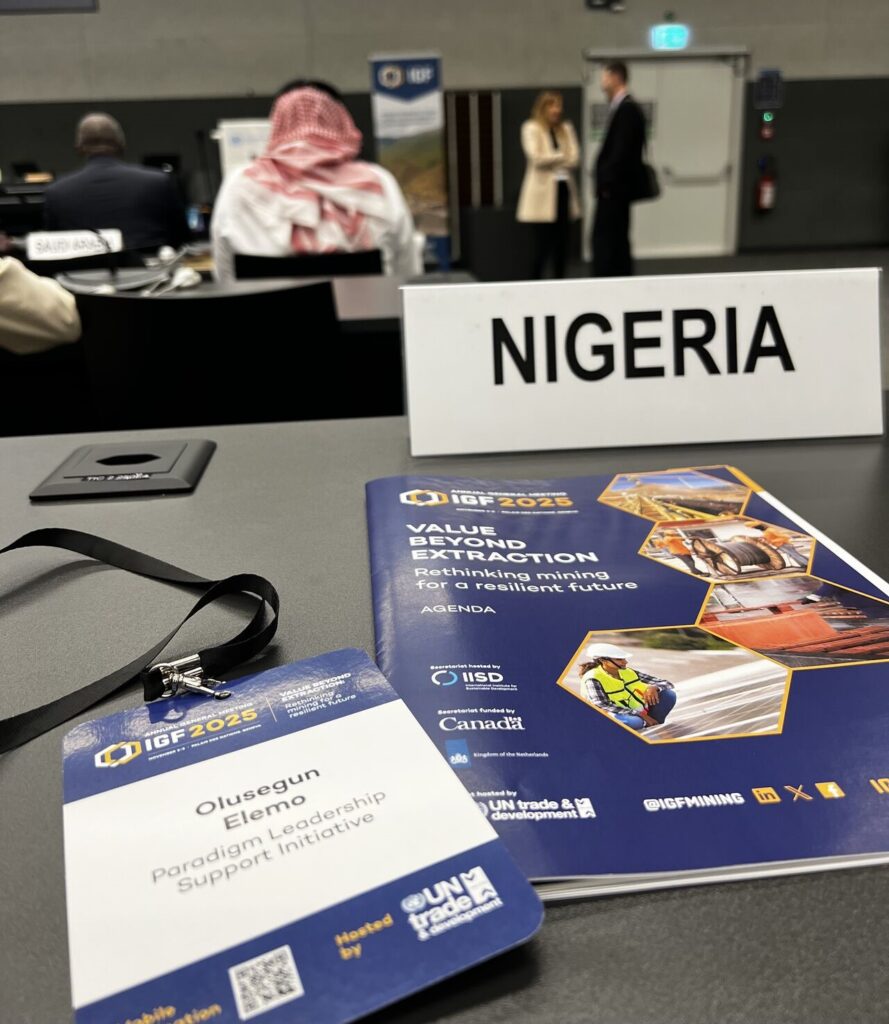
This conversation sits at the heart of PLSI’s earlier work on natural resource governance, especially our Resource Benefits Project (www.resourcebenefits.ng) executed in partnership with the Natural Resource Governance Institute (NRGI). Our contribution reaffirmed the need to strengthen mining governance so that resource-rich African countries can translate mineral wealth into broad-based development.
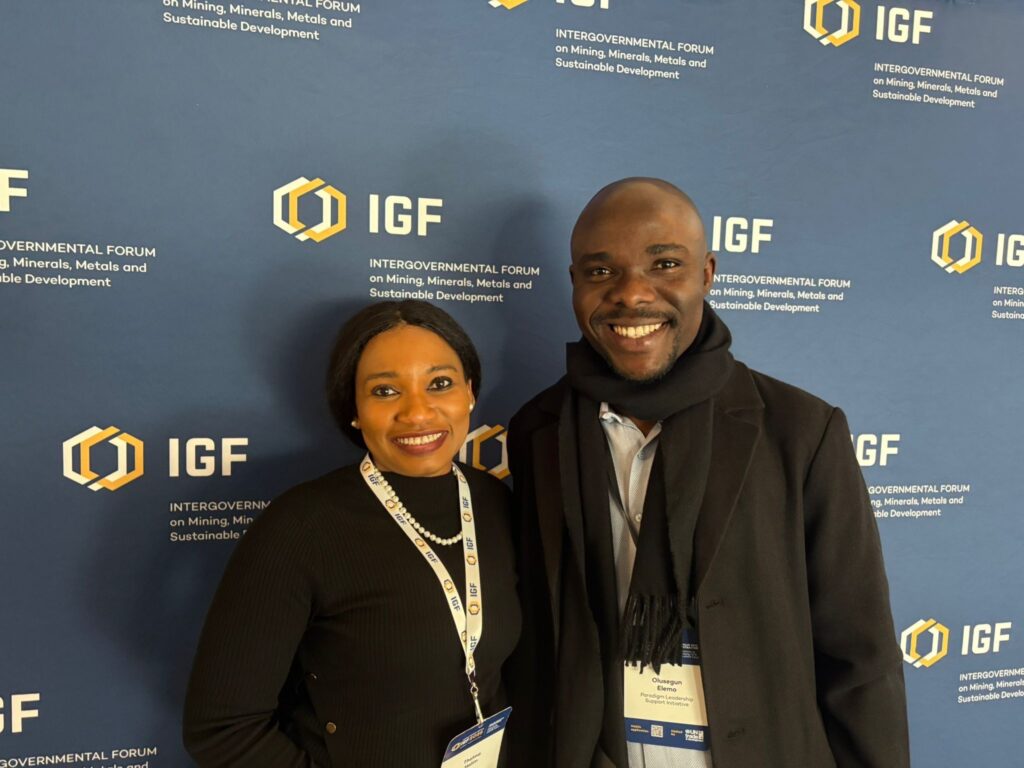
We also highlighted how PolicyTracker (www.policytracker.ng) and the EMAT tool support transparency in emissions and environmental management – innovations that position Nigeria at the forefront of civic-led mining governance and climate accountability.
3. Strategic Engagement with INTOSAI Development Initiative (IDI) – Oslo, Norway (October 2025)
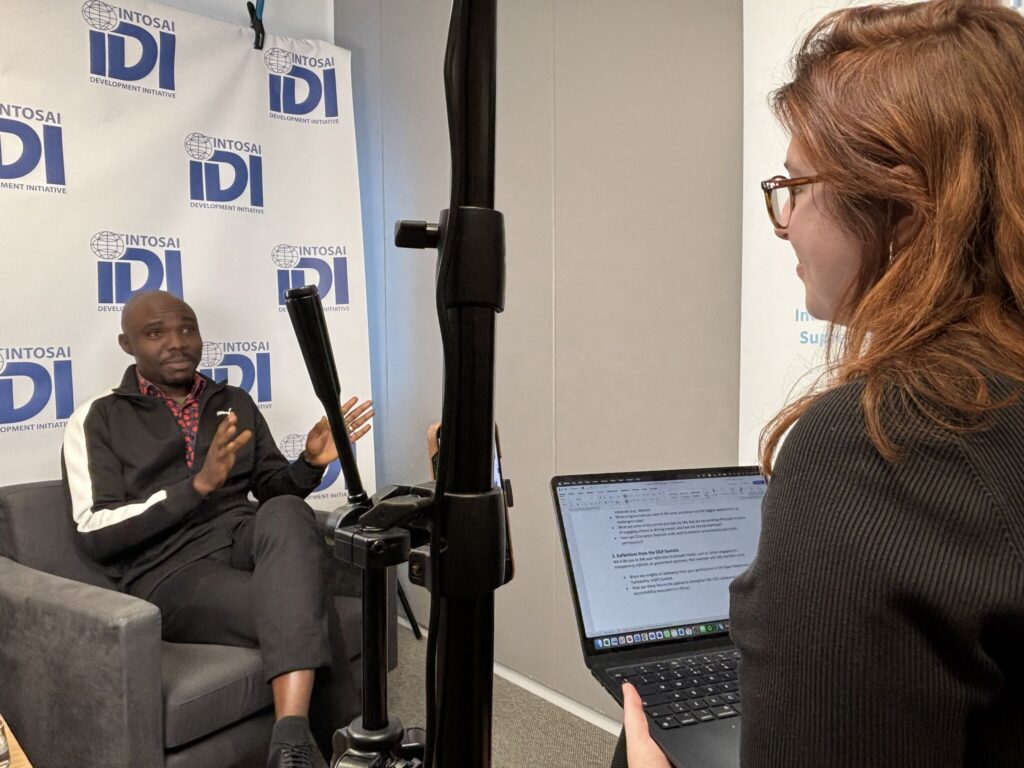
In Oslo, our Executive Director sat with the INTOSAI Development Initiative (IDI) team to discuss Nigeria’s evolving public audit landscape and share lessons from PLSI’s work in strengthening collaboration between SAIs, PACs, and CSOs in Nigeria over the last nine years.
He shared our work at PLSI, through initiatives like the Subnational Audit Efficacy (SAE) Index and the Nigeria Accountability Summit is influencing reforms, improving oversight, and inspiring similar action across Africa. His reflections also connected insights from the OGP Global Summit in Spain, where collaboration, openness, and citizen engagement remain central to building resilient democratic systems.
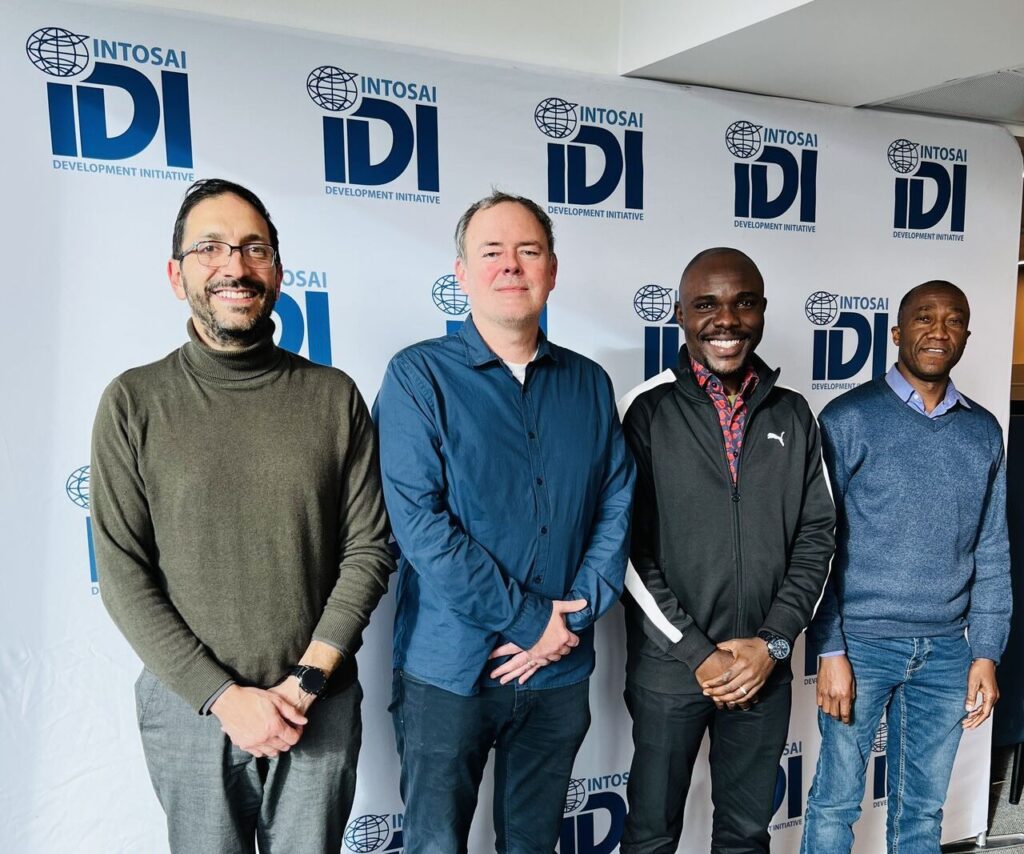
His insights, rooted in nearly a decade of practical reform through PLSI will soon be featured in an upcoming IDI video interview exploring the future of collaboration between Supreme Audit Institutions (SAIs), Public Accounts Committees (PACs), and Civil Society Organisations (CSOs) in Nigeria and globally. This conversation underscores the rising international relevance of PLSI’s model of civic–institutional accountability partnerships.
4. PLSI at the OGP Global Summit – Vitoria-Gasteiz, Spain (7–9 October 2025)
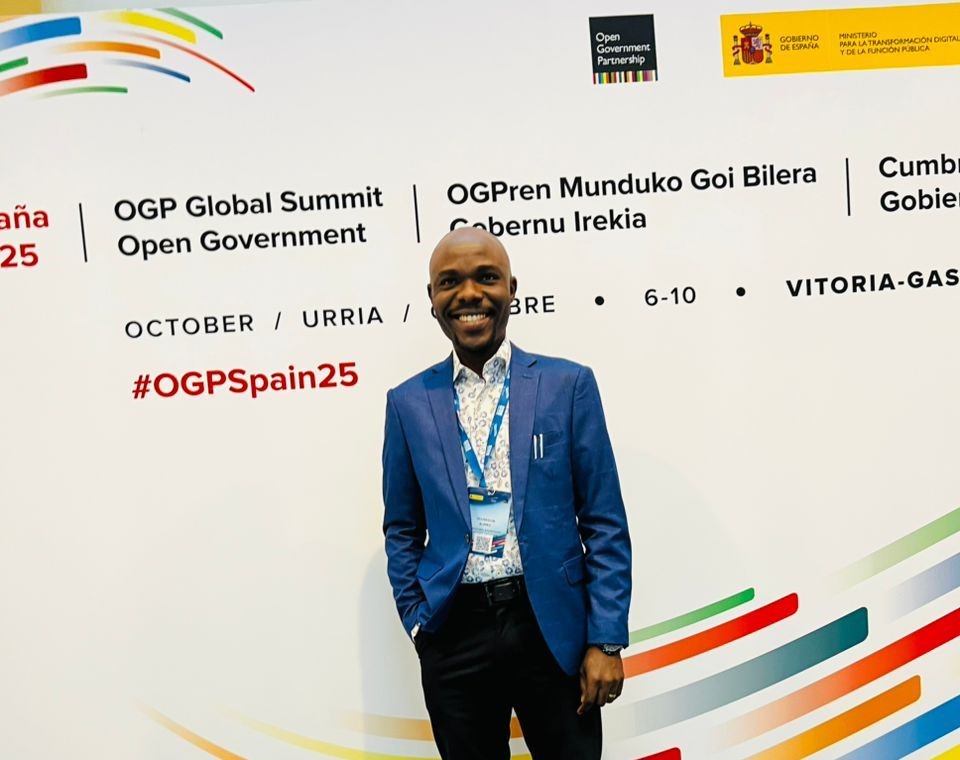
PLSI kicked off participation at the OGP Global Summit 2025 with a side event on Open Procurement, AI Procurement, and Public Participation. Our ED shared insights on our VfM-AI Initiative, which deploys artificial intelligence to strengthen transparency and enhance Value for Money in public spending.
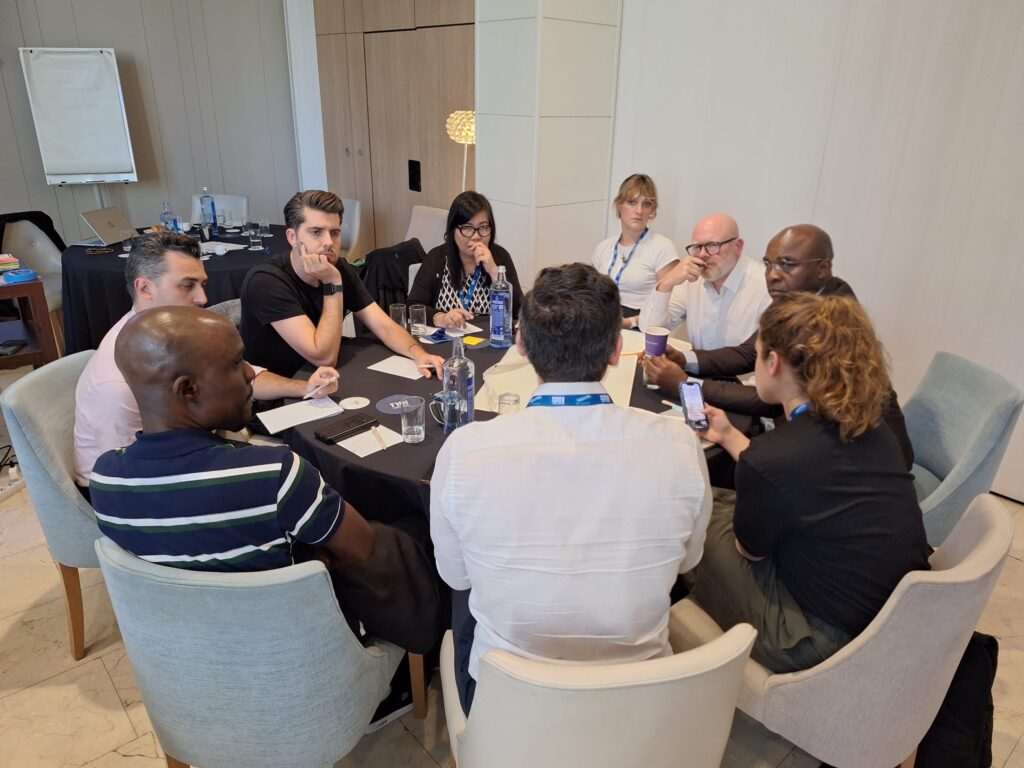
Other notable engagements include:
Media Spotlight
In an interview with Radiotelevisión Española, our ED discussed Nigeria’s long democratic journey and how citizen participation continues to strengthen reforms across Africa.
Reflecting on a Decade of Anti-Corruption Work
At a panel reviewing the MacArthur Foundation’s OnNigeria program, lessons were shared on how multilayered civic activism, institutional strengthening, and policy reforms have deepened governance in Nigeria.
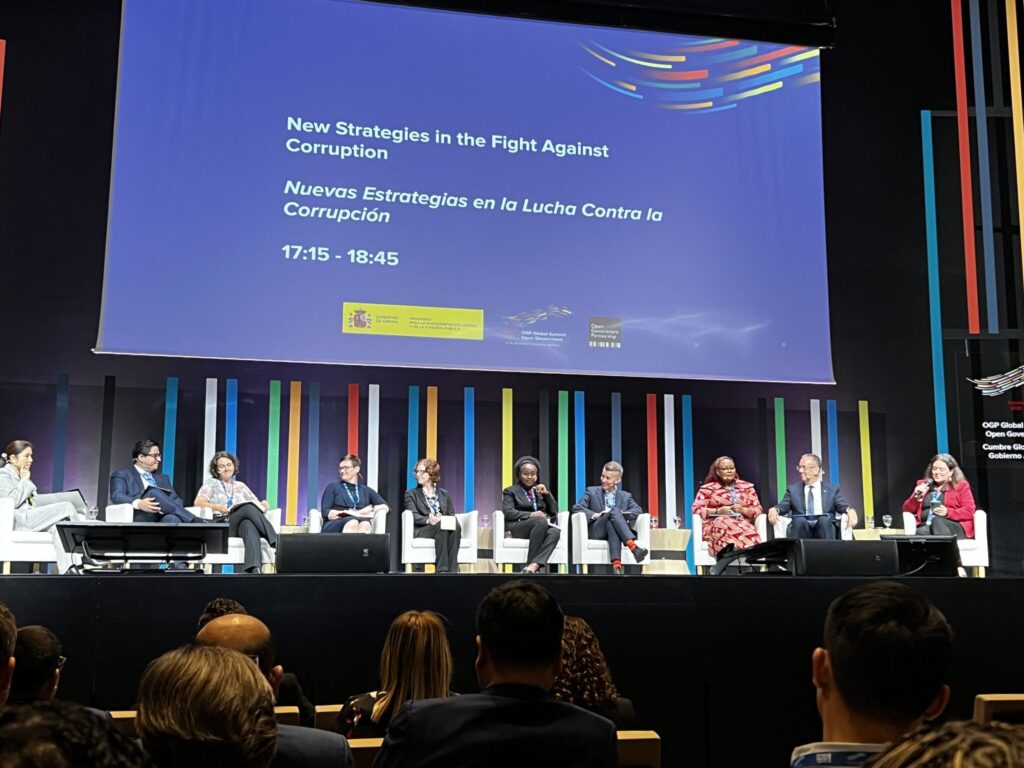
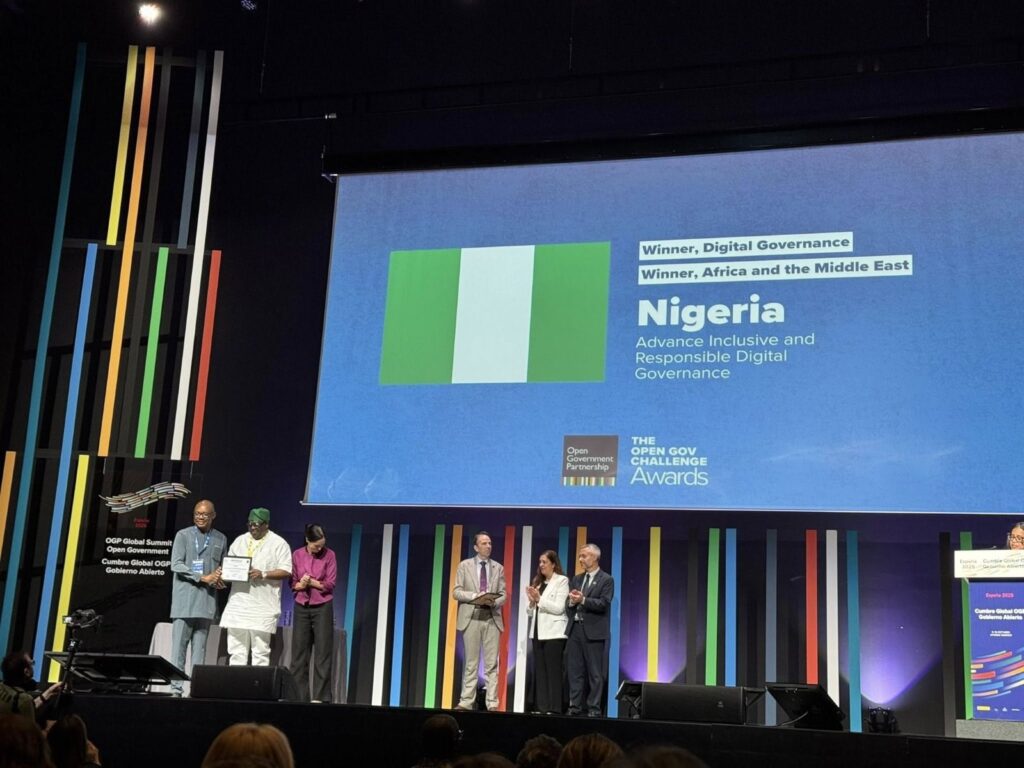
Nigeria’s Double Wins at OGP 2025
On taking stock of achievements through the OnNigeria program implemented by the MacArthur Foundation facilitating collaboration and collective action over a ten year period. Erin S. shared on a panel focused on “New Strategies in the Fight Against Corruption” how the OnNigeria strategy supported layered efforts by partners that led to increased transparency, diverse participation and more accountable systems at national and subnational levels in Nigeria as indicated by the final evaluation report of the decade long program.
To corroborate this evaluation report, Nigeria clinched two global recognition awards – a testament to improved openness, inclusion, and accountability, all of which mirror the reform pathways PLSI has consistently championed.
Bringing It All Together – What We Learned, What We’re Scaling
Across these international engagements, one message was clear: Public accountability is the most powerful catalyst for sustainable development; whether in climate action, resource governance, public finance management, or gender equality.
The insights from Brazil, Switzerland, Norway, and Spain are reinforcing PLSI’s next phase of impact in:
- Scaling our civic-tech platforms (PolicyTracker, EMAT, ADEHUN, VfM-AI)
- Expanding SAI–PAC–CSO collaboration nationally and regionally
- Enhancing transparency in climate financing and energy transition
- Strengthening gender equality accountability and responses to TF-GBV
- Driving citizen-centered governance reforms
2025 has not only broadened our reach, it has sharpened our mission.
Next: PLSI Heads to Doha Qatar for UNCAC CoSP11 (15–19 December 2025)
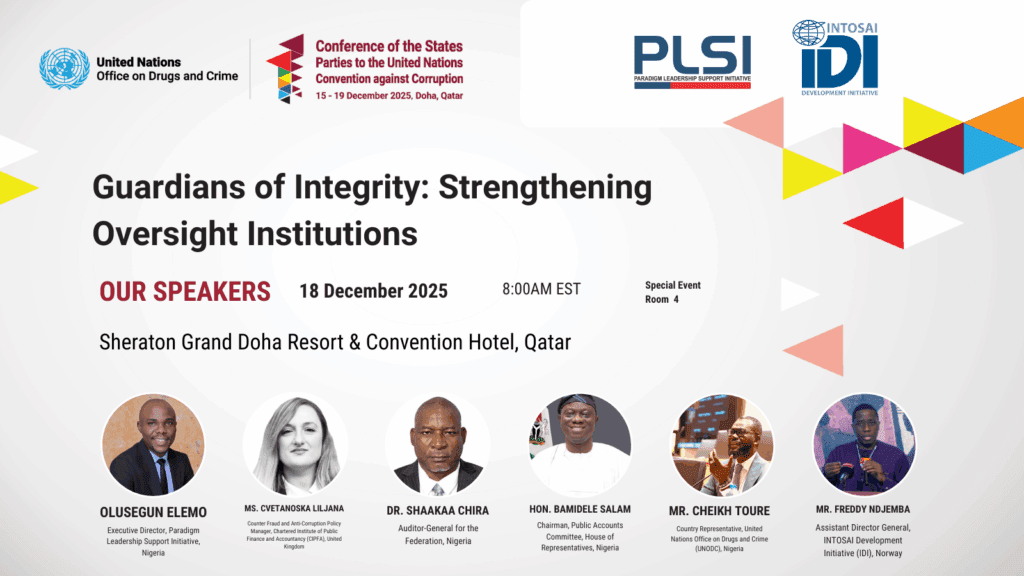
As we close an impactful year, PLSI will be hosting a landmark side event at the 11th Session of the Conference of States Parties to the UN Convention Against Corruption (UNCAC CoSP11) themed Empowering and Monitoring Integrity: The Role of Oversight and Accountability Institutions in Preventing and Combating Corruption
Our side event, “Guardians of Integrity: Strengthening Oversight Institutions,” scheduled for Thursday, 18 December will spotlight how SAIs, PACs, anti-corruption bodies, and civic-led accountability mechanisms can jointly detect, prevent, and respond to corruption.
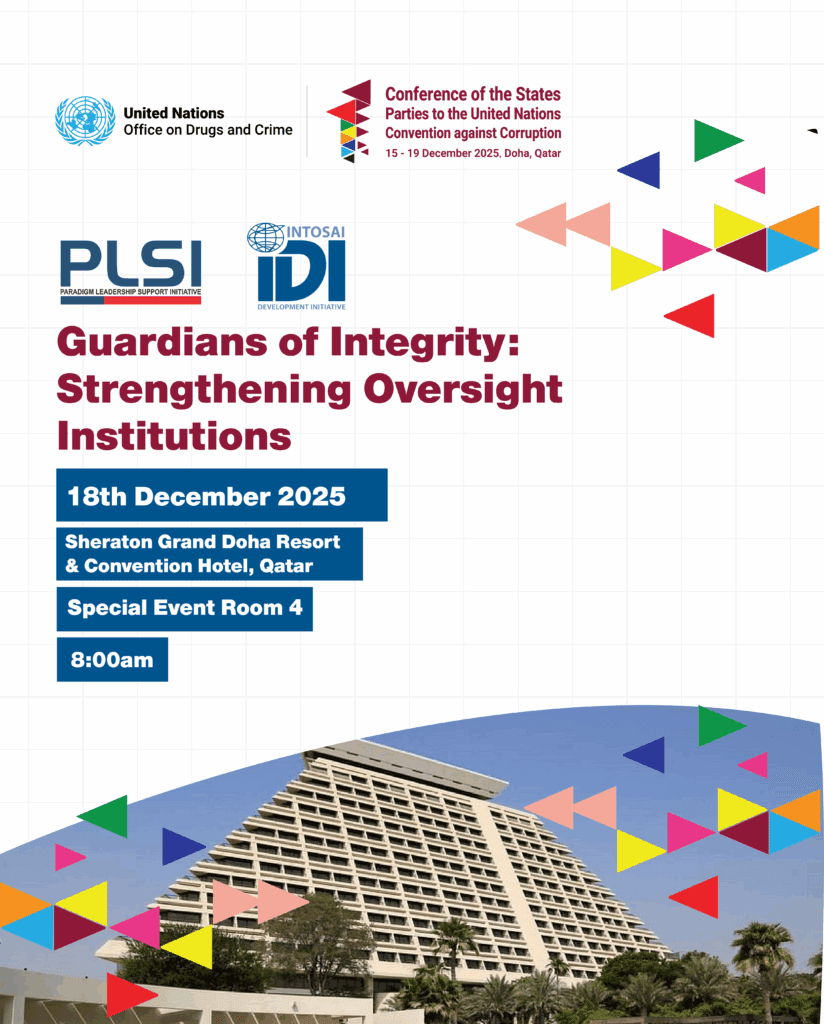
PLSI’s Executive Director, Olusegun Elemo, and our Communications Associate, Sunday Taiwo, will be live in Doha delivering Nigeria’s perspective on strengthening integrity systems. Whether attending in person or following online, we invite you to stay connected to our updates as we represent Nigeria on the global anti-corruption stage.
Conclusion: A Year of Growth, Influence, and Renewed Commitment
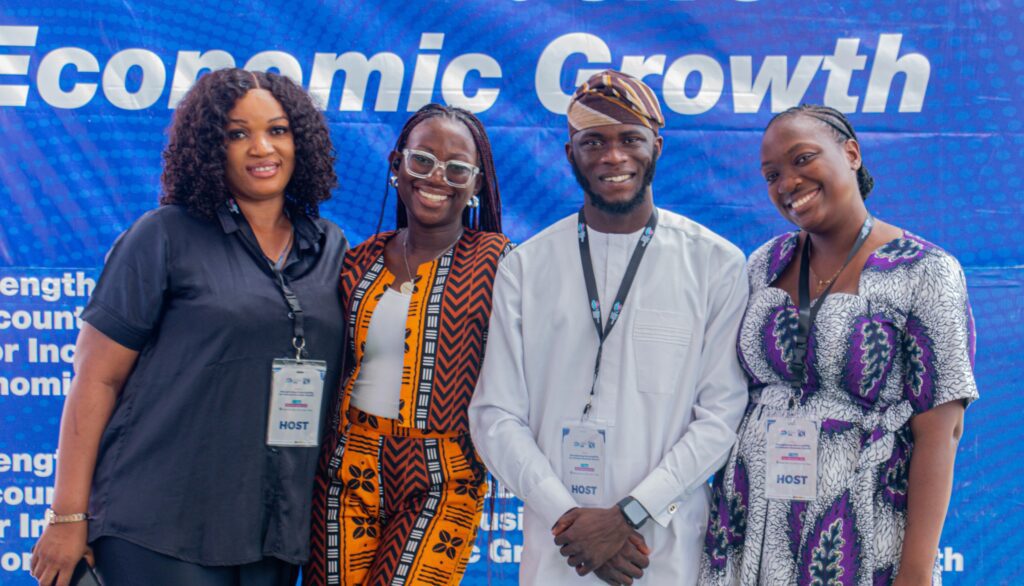
From community engagements in Nigeria to global stages in Brazil, Switzerland, Spain, and now Qatar, 2025 has affirmed the power of collaboration, innovation, and evidence-driven advocacy in shaping governance systems that work for citizens.
As we prepare for our final global engagement of the year at UNCAC CoSP11, we remain committed to scaling reforms, building stronger institutions, and driving citizen-centered accountability across Nigeria.
Stay connected. A bigger year lies ahead!